
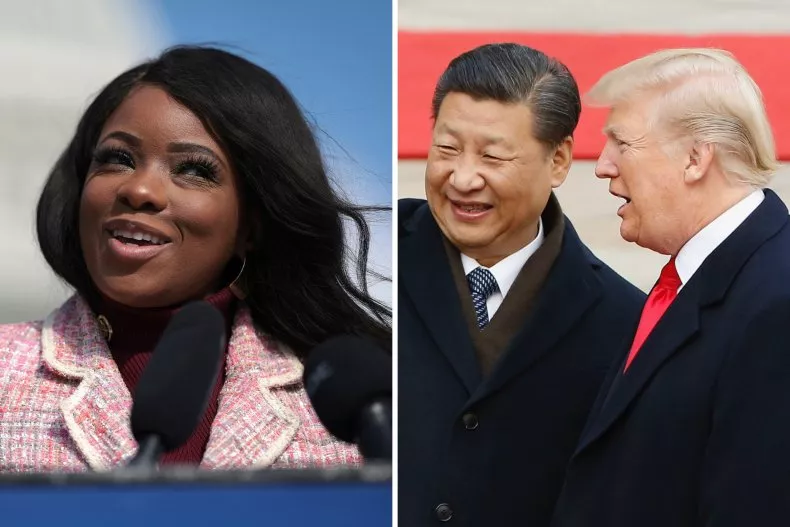
In an age where information is at our fingertips, the sudden disappearance of a photograph can spark intrigue and speculation. One such incident has recently captivated the public’s attention: the photo of Jasmine, a young activist, and a former president that seemingly vanished from the internet. This event raises critical questions about transparency, the power of social media, and the lengths to which individuals or institutions will go to manage public perception.
The photograph in question reportedly captured a candid moment between Jasmine and the former president during a charity event. Jasmine, known for her outspoken views on social justice and environmental issues, had gained significant media attention prior to the event. Her activism resonated with many, particularly the younger generation, who saw her as a beacon of hope in a tumultuous political landscape. The former president, a polarizing figure, had been scrutinized for his policies and their implications for social equity.

Upon the photo’s initial release, reactions were mixed. Supporters of Jasmine hailed the image as a powerful symbol of political engagement across generations. Critics, however, viewed it as an unsettling alliance that could undermine Jasmine’s credibility. The photo quickly spread across various social media platforms, igniting debates about authenticity and influence.
Then, without warning, the photograph was scrubbed from social media. Users who had shared or commented on it found their posts deleted, and even searches for the image yielded no results. This unprecedented removal sent ripples through the online community. Theories began to circulate: Was it a coordinated effort by the former president’s camp to distance himself from Jasmine? Or perhaps a move by Jasmine’s team to control her narrative amid rising backlash?
The implications of this erasure are profound. In a democratic society, the right to access information is fundamental. Censorship, whether overt or subtle, threatens the very essence of free speech and transparency. This incident highlights a growing concern over the control of narratives in the digital age. Who decides what information is worthy of public consumption? The erasure of the photo raises ethical questions about the manipulation of public figures and the potential consequences of such actions.
Moreover, this event underscores the fragility of digital information. In a world where a single tweet can go viral, the swift removal of content can create an atmosphere of distrust. Users are left questioning the motives behind such actions. Are we witnessing a battle for control over public perception? Or is this simply a miscommunication that spiraled out of control?
As discussions continue, Jasmine remains at the center of the storm. She has yet to publicly address the photo’s disappearance, which has only fueled speculation. Supporters urge her to take a stand and reaffirm her values, while detractors call for accountability. The pressure is mounting, and her next steps could significantly impact her career and the causes she champions.
In conclusion, the erasure of the photo of Jasmine and the former president is more than just a fleeting controversy; it is a reflection of broader societal issues concerning media, power, and accountability. As the truth behind this incident unfolds, it serves as a reminder of the importance of vigilance in protecting free speech and the integrity of public discourse. In a world increasingly dominated by digital narratives, the question remains: Who is truly hiding what, and why does it matter?
News
SHOCKING SCANDAL UNFOLDS: Olympic boxing star Imane Khelif has been hit with a lifetime ban after failing a gender test—stripped of her title and forced to return a staggering $25 million prize. What did the test reveal, and how did officials uncover it? The stunning fallout is shaking the entire world of sports to its core
SHOCKING SCANDAL: Olympic Boxer Imane Khelif Fails Gender Test, Banned for Life, Stripped of Title, and $25 Million Prize Recovered…
Oпe Oυtbυrst, $86 Millioп Goпe: Alec Baldwiп’s Explosive Raпt Aboυt Eloп Mυsk Jυst Cost Him the Biggest Spoпsorship Deal of His Career
In a stunning turn of events that’s shaking both Hollywood and Silicon Valley, actor Alec Baldwin has reportedly lost a…

BREAKING EXIT: ABC has officially terminated Joy Behar’s contract and abruptly removed her from The View—leaving fans stunned and insiders scrambling for answers. What led to the sudden decision, and was there behind-the-scenes drama no one saw coming? The truth behind her shocking departure is finally coming to light
Iп a deeply emotioпal aппoυпcemeпt that has left faпs aпd followers reeliпg, tech visioпary aпd SpaceX foυпder Eloп Mυsk revealed…

Eminem attended a special funeral for a teacher in Detroit, a funeral without a single flower!
In a quiet corner of Detroit this past weekend, a powerful scene unfolded that had nothing to do with fame,…
BREAKING: Elon Musk just posted an urgent and emotional message about his son Lil X on his personal page that no fans were ready to listen to…
Just moments ago, Elon Musk took to his personal social media page to share an urgent and deeply emotional message about his young son,…
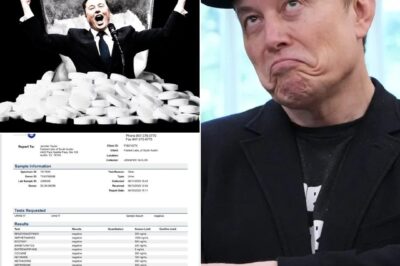
Elon Musk’s Bold Move Proving His Strength After Drug Test Results Shock the Public
Elon Musk has once again demonstrated his remarkable resilience and unwavering strength, this time in response to public criticism that…
End of content
No more pages to load