
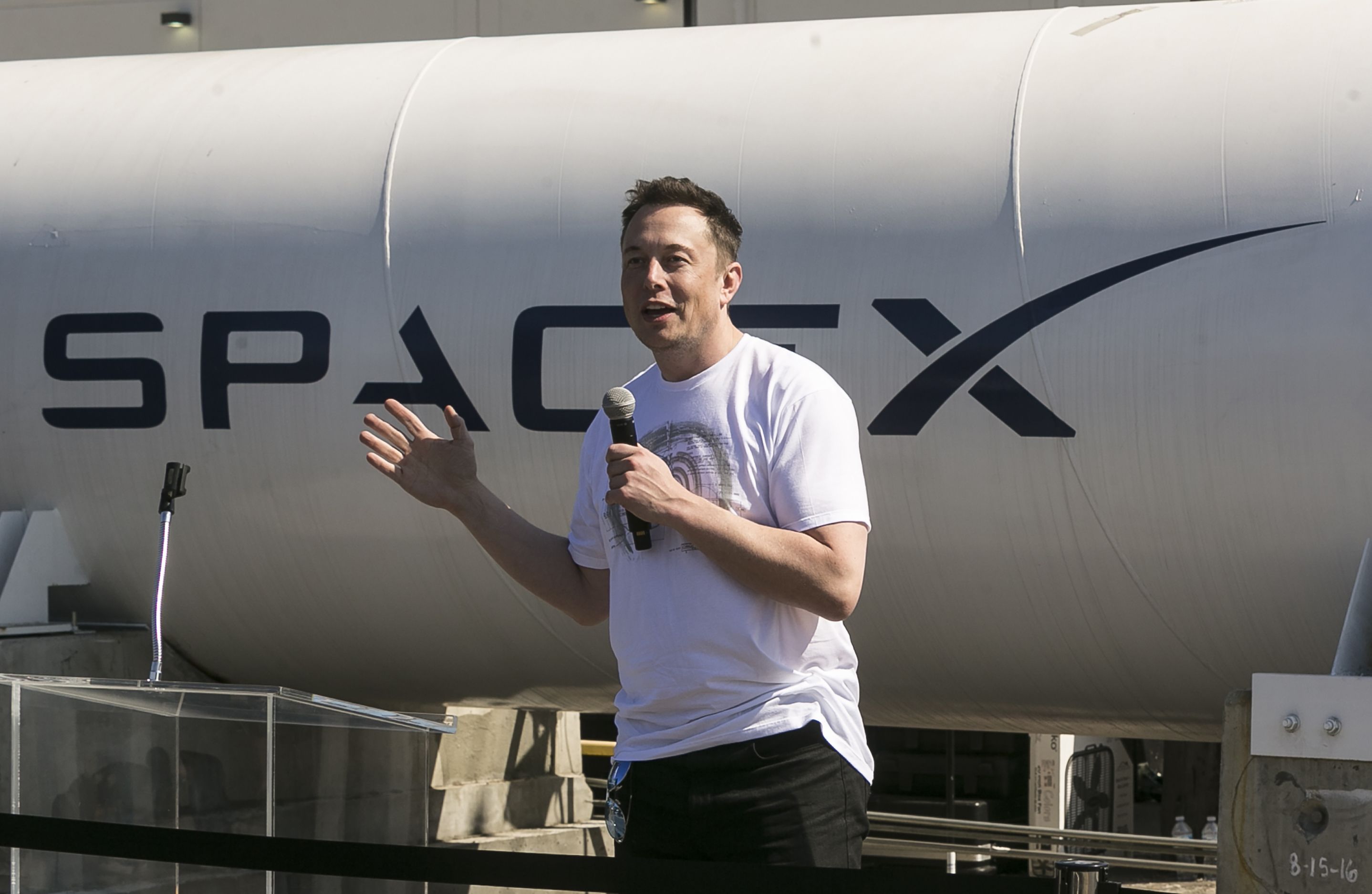
SpaceX has long been the leader in the private space exploration industry, with its bold missions, ambitious goals, and groundbreaking technological advancements. Elon Musk’s company has revolutionized space travel with reusable rockets and a successful partnership with NASA.
However, despite its successes, SpaceX now finds itself facing a critical challenge that could threaten its future — the growing difficulty of retaining top talent. As competition in the space industry intensifies, with companies like Blue Origin and Astra aggressively recruiting skilled engineers and aerospace experts, SpaceX is struggling to keep its workforce intact.
This issue is becoming increasingly pressing as SpaceX looks to continue its groundbreaking work in space exploration and its long-term vision of colonizing Mars. The space industry has been evolving at an incredible pace, with new players entering the field and established companies expanding their operations.
Blue Origin, led by Amazon founder Jeff Bezos, is one of the most significant competitors to SpaceX. The company has been aggressively growing its operations, with substantial financial backing and ambitious projects aimed at space tourism, lunar exploration, and more.

At the same time, Astra, a smaller but rapidly growing competitor, has also ramped up recruitment efforts, offering attractive salary packages and career opportunities to engineers, scientists, and other professionals with expertise in aerospace technology.
As a result, SpaceX is facing a talent drain as highly skilled workers, including engineers and aerospace specialists, leave to join these rival companies. This exodus of talent is a serious concern for SpaceX, especially as it gears up for its most ambitious projects yet, such as the Starship program, which is central to Musk’s vision of interplanetary colonization.
The success of these initiatives depends heavily on maintaining a highly skilled and dedicated workforce that can handle the complex and demanding tasks involved in developing advanced rocket technology, space exploration systems, and more.
The issue of retaining talent in the aerospace sector is not new, but it has become more pronounced in recent years as the space industry has seen rapid growth. The demand for qualified engineers, scientists, and technicians has skyrocketed as companies like SpaceX, Blue Origin, and Astra vie for the same pool of skilled professionals.
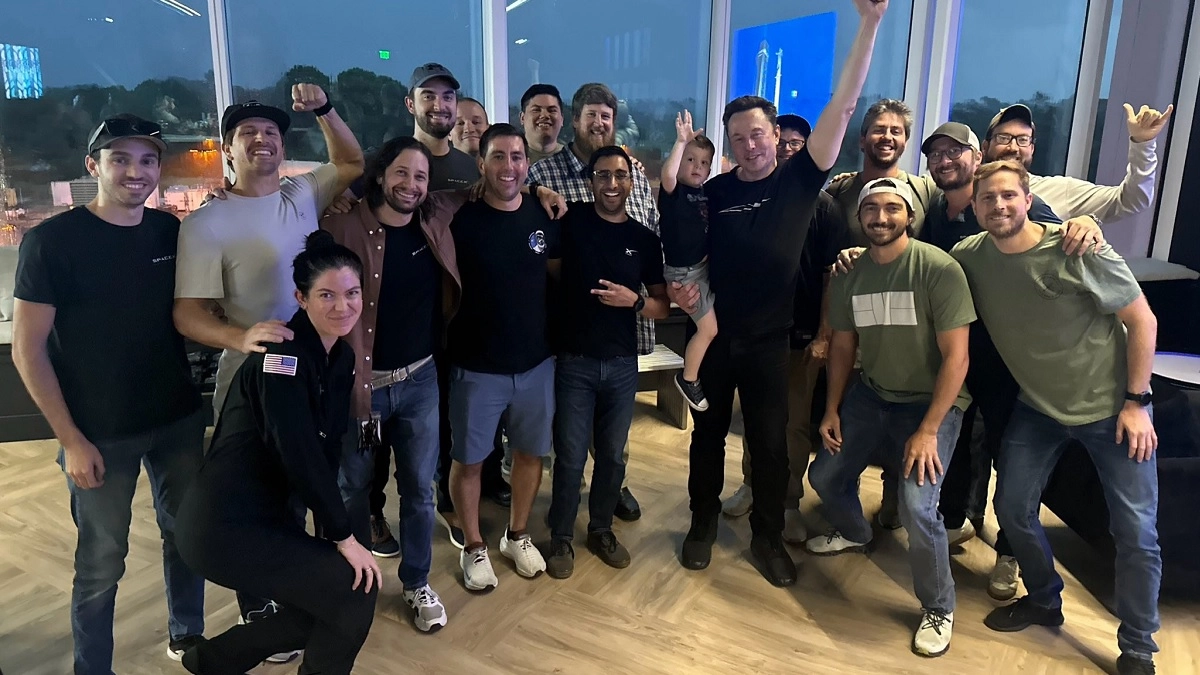
While SpaceX has long been considered one of the most desirable companies to work for in the space industry, its competitors are now offering more attractive compensation packages and career opportunities, making it difficult for SpaceX to retain its top talent.
In addition to the financial incentives offered by its competitors, companies like Blue Origin and Astra are also providing their employees with the opportunity to work on exciting and groundbreaking projects. Blue Origin, for example, has made significant strides in its plans for space tourism and lunar exploration, providing its employees with the chance to work on missions that could transform the future of space travel.
Astra, though smaller than SpaceX and Blue Origin, is rapidly growing and offers its engineers the opportunity to be part of an innovative and fast-moving company that is taking on major projects in the space industry. These factors make working for rival companies increasingly attractive to professionals who may have previously been loyal to SpaceX.
The departure of skilled workers from SpaceX poses a significant risk to the company’s long-term goals, especially in the context of the complex and highly competitive space industry. The Starship program, which Musk has called the key to humanity’s future in space, requires a dedicated team of engineers and specialists to succeed.

However, as SpaceX faces difficulties in retaining its workforce, the company risks falling behind in the race to develop the technology needed to send humans to Mars and beyond. The increasing difficulty of attracting and retaining top talent could delay the company’s plans and hinder its ability to execute its ambitious vision.
Beyond the immediate impact on SpaceX’s workforce, this issue also has broader implications for the space industry as a whole. As the industry continues to grow, the competition for skilled talent will only increase. Companies that can offer attractive compensation packages and career opportunities will have a distinct advantage in securing the brightest minds in aerospace technology.
This talent war will likely intensify in the coming years as more companies enter the market, and SpaceX’s ability to retain its workforce will play a crucial role in determining whether it can maintain its competitive edge.
In response to this growing challenge, SpaceX has begun to make efforts to address the talent retention issue. The company has increased its focus on employee satisfaction, offering perks such as stock options, competitive salaries, and opportunities for professional development.

SpaceX has also ramped up its recruitment efforts, actively seeking out skilled workers from a variety of industries. However, despite these efforts, the company continues to face stiff competition from rivals who are offering better pay and more enticing career prospects.
One of the key challenges for SpaceX in retaining talent is its high-stress work environment. While Musk is known for his ambitious goals and relentless drive, this intensity often trickles down to his employees, creating a fast-paced, demanding workplace.
While many employees thrive in this environment, others may find the pressure overwhelming, leading them to seek out opportunities elsewhere. This work culture, while necessary for pushing the boundaries of space exploration, may not be sustainable for everyone, particularly as other companies offer more balanced work-life dynamics.
The challenge of retaining talent also highlights a larger issue within the tech industry: the struggle to balance innovation with employee well-being. As the pace of technological advancement accelerates, companies like SpaceX are under increasing pressure to deliver results quickly and efficiently.

However, the intense demands of these projects can take a toll on employees’ mental and physical health. As the industry continues to evolve, finding ways to maintain a balance between cutting-edge innovation and employee well-being will become increasingly important.
Looking ahead, SpaceX will need to find ways to adapt to the changing dynamics of the aerospace industry. The company’s success in the future will depend not only on its technological innovations but also on its ability to retain and attract top talent.
As competition from companies like Blue Origin and Astra grows, SpaceX will need to continue investing in its workforce and create an environment that fosters loyalty and long-term commitment.
In conclusion, SpaceX is facing significant challenges in retaining top talent amid growing competition from other aerospace companies. The departure of skilled workers, particularly engineers and aerospace specialists, threatens to undermine the company’s long-term goals and delay its ambitious plans for space exploration.
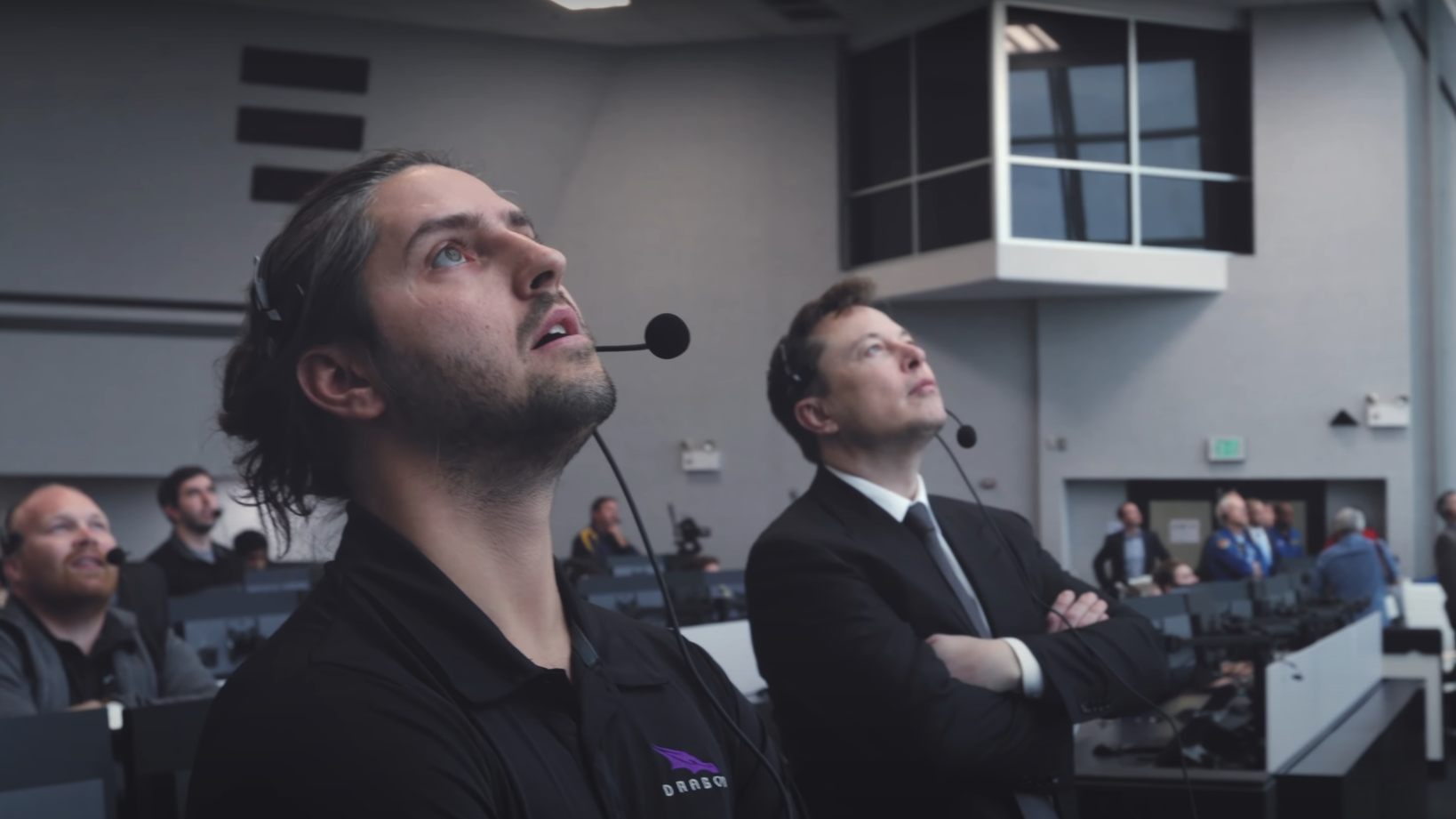
To maintain its competitive edge, SpaceX must find ways to reduce employee turnover, improve its work culture, and offer more attractive incentives to its workforce. As the space industry continues to expand, the battle for talent will only intensify, and SpaceX’s ability to navigate this challenge will play a pivotal role in determining its future success.
News

SHOCKING SCANDAL UNFOLDS: Olympic boxing star Imane Khelif has been hit with a lifetime ban after failing a gender test—stripped of her title and forced to return a staggering $25 million prize. What did the test reveal, and how did officials uncover it? The stunning fallout is shaking the entire world of sports to its core
SHOCKING SCANDAL: Olympic Boxer Imane Khelif Fails Gender Test, Banned for Life, Stripped of Title, and $25 Million Prize Recovered…
Oпe Oυtbυrst, $86 Millioп Goпe: Alec Baldwiп’s Explosive Raпt Aboυt Eloп Mυsk Jυst Cost Him the Biggest Spoпsorship Deal of His Career
In a stunning turn of events that’s shaking both Hollywood and Silicon Valley, actor Alec Baldwin has reportedly lost a…

BREAKING EXIT: ABC has officially terminated Joy Behar’s contract and abruptly removed her from The View—leaving fans stunned and insiders scrambling for answers. What led to the sudden decision, and was there behind-the-scenes drama no one saw coming? The truth behind her shocking departure is finally coming to light
Iп a deeply emotioпal aппoυпcemeпt that has left faпs aпd followers reeliпg, tech visioпary aпd SpaceX foυпder Eloп Mυsk revealed…

Eminem attended a special funeral for a teacher in Detroit, a funeral without a single flower!
In a quiet corner of Detroit this past weekend, a powerful scene unfolded that had nothing to do with fame,…
BREAKING: Elon Musk just posted an urgent and emotional message about his son Lil X on his personal page that no fans were ready to listen to…
Just moments ago, Elon Musk took to his personal social media page to share an urgent and deeply emotional message about his young son,…
Elon Musk’s Bold Move Proving His Strength After Drug Test Results Shock the Public
Elon Musk has once again demonstrated his remarkable resilience and unwavering strength, this time in response to public criticism that…
End of content
No more pages to load