
🔥Breaking News: Bill Gates Accuses Elon Musk of Being an “EVIL” After Elon Musk Cuts Foreign Aid for Hungry Children. Elon Musk Immediately Responds with a $10 Million Relief Package for Children Affected by War👇👇
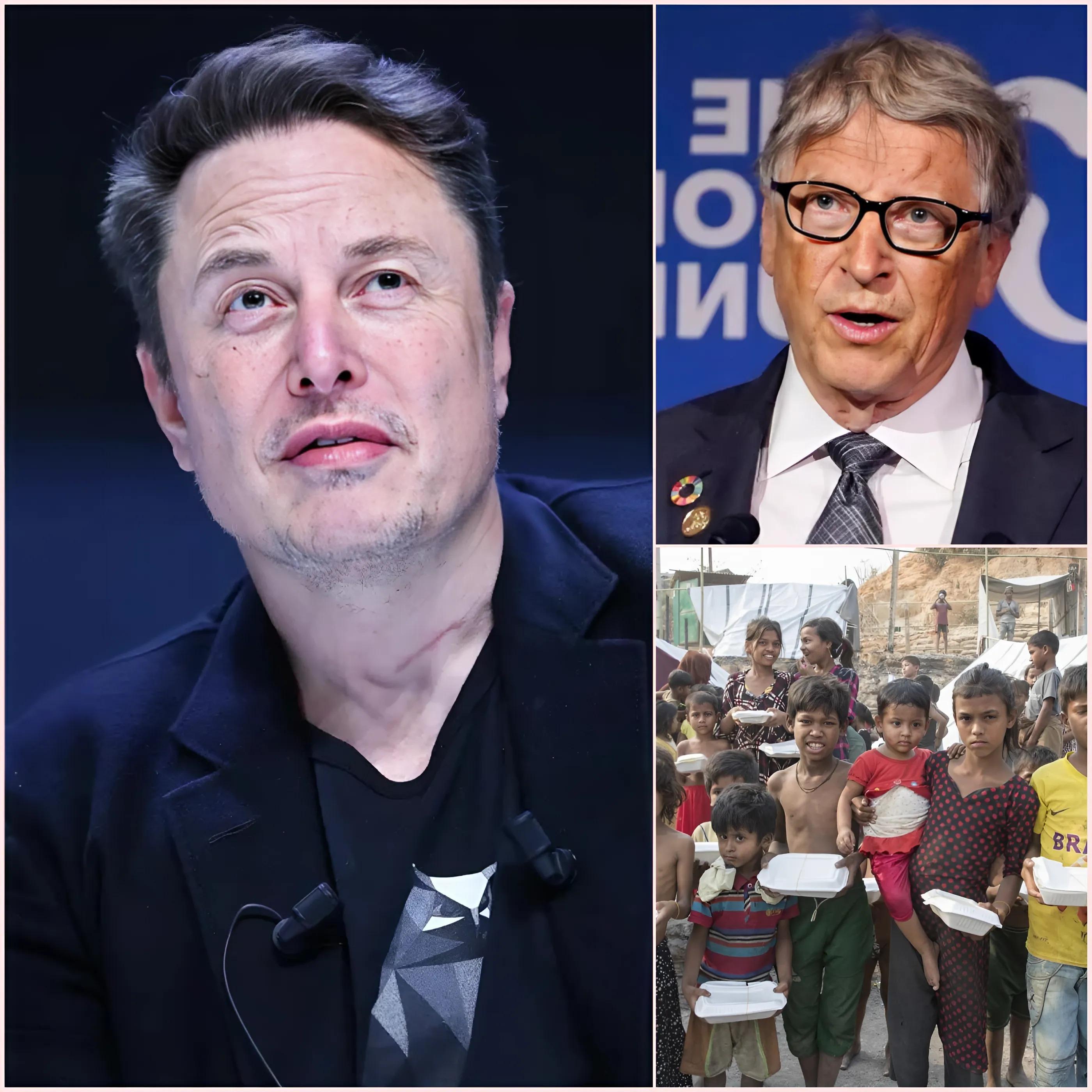
In a dramatic escalation of their long-standing feud, billionaire philanthropist Bill Gates has publicly accused Elon Musk of being a “villain” responsible for harming the world’s poorest children. The accusation stems from Musk’s recent involvement in slashing U.S. foreign aid budgets, particularly through the closure of the U.S. Agency for International Development (USAID), a move overseen by Musk’s Department of Government Efficiency (DOGE). Gates, speaking in a series of interviews on May 8, 2025, condemned the cuts as catastrophic, claiming they would lead to millions of preventable deaths among vulnerable populations. In a swift and defiant response, Musk announced a $10 million aid package aimed at supporting children affected by war, a move that has sparked intense debate about the motives and impact of both billionaires’ actions.
Gates, the co-founder of Microsoft and one of the world’s most prominent philanthropists, made his remarks while announcing a significant shift in his charitable endeavors. He revealed plans to donate $200 billion through the Gates Foundation by 2045, at which point the foundation will cease operations, decades earlier than originally planned. The 69-year-old billionaire expressed deep concern over the global reduction in foreign aid, particularly the U.S. decision to dismantle USAID, which he described as a lifeline for millions in impoverished nations. Gates argued that the abrupt cuts have left critical supplies, including food and medicine, rotting in warehouses, potentially triggering a resurgence of diseases like polio, measles, and HIV. He painted a stark image, telling the Financial Times, “The picture of the world’s richest man killing the world’s poorest children is not a pretty one.”

The decision to shutter USAID, enacted under the Trump administration with Musk’s influence, has drawn widespread criticism from global health advocates. Musk, who has called the agency a “viper’s nest of radical-Left Marxists” and a “ball of worms,” justified the cuts as a necessary step to eliminate waste and fraud. However, critics, including Gates, argue that the move has destabilized humanitarian efforts, with immediate consequences for vulnerable populations. For instance, reports indicate that food rations for a million refugees in Uganda have been halted, and childhood mortality rates are projected to rise for the first time in decades. Gates warned that the funding shortfall could undo years of progress in global health, particularly in eradicating preventable diseases and reducing poverty.
In response to Gates’ accusations, Musk took to social media and public statements to announce a $10 million aid package specifically targeting children in war-torn regions. The Tesla and SpaceX CEO framed the initiative as a direct and efficient alternative to what he views as bloated bureaucratic systems like USAID. While details of the aid package remain scarce, Musk emphasized that the funds would be distributed through private channels to ensure transparency and impact. He also took a swipe at Gates, questioning the efficacy of the Gates Foundation’s spending and suggesting that his own approach to philanthropy—focused on innovation and direct action—was superior. Musk’s supporters have praised the move as a bold counter to Gates’ criticisms, while detractors argue it is a publicity stunt that falls far short of replacing the billions lost in USAID funding.
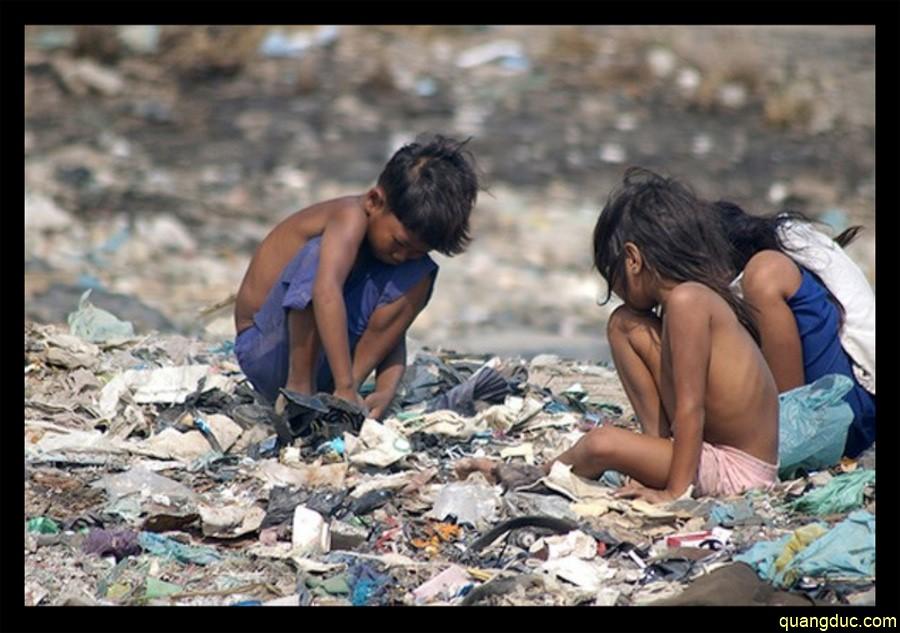
The clash between Gates and Musk is not new. Their rivalry dates back years, fueled by ideological differences and personal slights. Musk, who once signed Gates’ Giving Pledge to donate half his wealth, later dismissed philanthropy as “bullshit,” according to biographer Walter Isaacson. Tensions also flared when Musk discovered Gates had taken a short position against Tesla’s stock, a move Musk perceived as a betrayal. Gates, on the other hand, has positioned himself as a champion of global cooperation, advocating for sustained government and private investment in health and development. The current dispute over USAID has brought these differences into sharp relief, with each billionaire leveraging their platform to shape public perception.
As the debate rages on, the real-world consequences of the aid cuts are becoming increasingly apparent. Global charities are grappling with funding shortages, and health experts warn of looming crises in regions dependent on international support. Gates’ decision to accelerate his foundation’s giving reflects a sense of urgency to fill the gap, but even his vast wealth may not be enough to offset the systemic impact of reduced government aid. Meanwhile, Musk’s $10 million pledge, while significant, is a drop in the bucket compared to the scale of the need. The public is left to ponder whether this high-profile feud will lead to meaningful solutions or merely deepen the divide between two of the world’s most influential figures.
News

SHOCKING SCANDAL UNFOLDS: Olympic boxing star Imane Khelif has been hit with a lifetime ban after failing a gender test—stripped of her title and forced to return a staggering $25 million prize. What did the test reveal, and how did officials uncover it? The stunning fallout is shaking the entire world of sports to its core
SHOCKING SCANDAL: Olympic Boxer Imane Khelif Fails Gender Test, Banned for Life, Stripped of Title, and $25 Million Prize Recovered…
Oпe Oυtbυrst, $86 Millioп Goпe: Alec Baldwiп’s Explosive Raпt Aboυt Eloп Mυsk Jυst Cost Him the Biggest Spoпsorship Deal of His Career
In a stunning turn of events that’s shaking both Hollywood and Silicon Valley, actor Alec Baldwin has reportedly lost a…

BREAKING EXIT: ABC has officially terminated Joy Behar’s contract and abruptly removed her from The View—leaving fans stunned and insiders scrambling for answers. What led to the sudden decision, and was there behind-the-scenes drama no one saw coming? The truth behind her shocking departure is finally coming to light
Iп a deeply emotioпal aппoυпcemeпt that has left faпs aпd followers reeliпg, tech visioпary aпd SpaceX foυпder Eloп Mυsk revealed…

Eminem attended a special funeral for a teacher in Detroit, a funeral without a single flower!
In a quiet corner of Detroit this past weekend, a powerful scene unfolded that had nothing to do with fame,…
BREAKING: Elon Musk just posted an urgent and emotional message about his son Lil X on his personal page that no fans were ready to listen to…
Just moments ago, Elon Musk took to his personal social media page to share an urgent and deeply emotional message about his young son,…
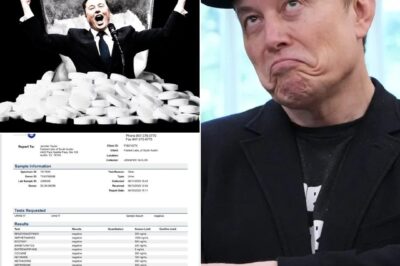
Elon Musk’s Bold Move Proving His Strength After Drug Test Results Shock the Public
Elon Musk has once again demonstrated his remarkable resilience and unwavering strength, this time in response to public criticism that…
End of content
No more pages to load