
🔥BOMBSHELL: Apple is about to compete with Elon Musk’s ‘darling’ after Tim Cook met with President Donald Trump to plan for brain implantation (BCI) to help patients operate electronic devices. 👇👇

In a stunning development that has sent shockwaves through the tech and neurotechnology industries, Apple is reportedly gearing up to challenge Elon Musk’s Neuralink in the race to develop brain-computer interface (BCI) technology. Sources indicate that Apple CEO Tim Cook recently met with U.S. President Donald Trump to discuss ambitious plans for a BCI initiative aimed at enabling patients with severe motor impairments to interact with electronic devices using only their thoughts. This move positions Apple as a formidable competitor in a field previously dominated by Musk’s high-profile startup, raising questions about the future of neurotechnology and its potential to transform lives.
The concept of BCIs, which allow direct communication between the human brain and external devices, has long been a staple of science fiction but is now becoming a reality. Neuralink, founded by Musk in 2016, has been at the forefront of this technology, achieving milestones such as implanting chips in human subjects to help those with paralysis control computers or smartphones. The company’s invasive approach involves surgically implanting a coin-sized device with over 1,000 electrodes into the brain’s cortex, enabling high-bandwidth data transfer. Neuralink’s third human trial participant, announced in early 2025, demonstrated the ability to navigate digital interfaces and even engage in virtual reality experiences, underscoring the technology’s potential. However, the invasive nature of Neuralink’s implants and ethical concerns surrounding animal testing have sparked debate.
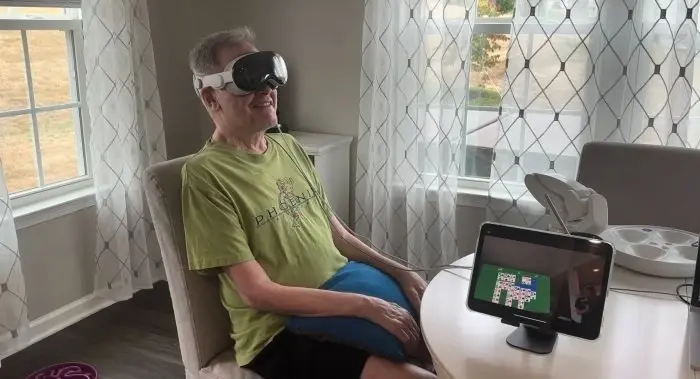
Apple’s entry into the BCI arena, by contrast, appears to prioritize accessibility and a less invasive approach. The company has reportedly partnered with Synchron, a neurotechnology startup backed by Jeff Bezos and Bill Gates, to develop a system that could integrate with Apple’s ecosystem of devices, such as iPhones and Vision Pro headsets. Synchron’s Stentrode, a stent-like device implanted in a vein near the brain’s motor cortex, uses 16 electrodes to detect neural signals without requiring open brain surgery. This collaboration aligns with Apple’s long-standing commitment to accessibility, as evidenced by its recent announcement on Global Accessibility Awareness Day in May 2025, which highlighted new tools for users with disabilities. By leveraging its expertise in machine learning and user interface design, Apple aims to create a universal BCI standard that developers can adopt, potentially revolutionizing how individuals with conditions like amyotrophic lateral sclerosis (ALS) or spinal cord injuries interact with technology.
The reported meeting between Cook and Trump adds a political dimension to Apple’s BCI ambitions. While details of their discussion remain scarce, it is speculated that the talks centered on regulatory support, funding, or incentives for advancing neurotechnology in the U.S. Trump’s administration has shown interest in cutting-edge technologies, and his recent executive orders targeting pharmaceutical price reductions suggest a willingness to support innovative healthcare solutions. Apple’s outreach to the White House could signal a strategic move to navigate the complex regulatory landscape overseen by the U.S. Food and Drug Administration (FDA), which has stringent requirements for high-risk devices like BCIs. Neuralink, for instance, faced years of scrutiny before receiving FDA approval for human trials in 2023, and Apple may be seeking to expedite its own path to market.

The implications of Apple’s BCI initiative are profound, both for patients and the broader tech industry. For individuals with severe motor impairments, the ability to control devices through thought alone could restore a sense of autonomy and improve quality of life. Apple’s focus on non-invasive or minimally invasive technology could make BCIs more accessible, addressing concerns about the risks associated with Neuralink’s approach. Moreover, integrating BCI capabilities into Apple’s ecosystem could create seamless user experiences, such as navigating an iPhone or immersive virtual reality environments with the Vision Pro. However, challenges remain, including the high costs of development, potential privacy concerns related to brain data, and the need for long-term safety studies.
As Apple and Neuralink prepare to compete, the BCI landscape is becoming increasingly crowded. Companies like Blackrock Neurotech and Precision Neuroscience are also advancing their own implants, with varying degrees of invasiveness and functionality. Apple’s entry, backed by its vast resources and global reach, could accelerate innovation but also raise questions about market dominance and equitable access. Will Apple’s BCI technology become a game-changer for accessibility, or will it face the same hurdles that have slowed Neuralink’s progress? Only time will tell, but one thing is certain: the race to connect the human brain to the digital world is heating up, and Apple is now a major player.
News

SHOCKING SCANDAL UNFOLDS: Olympic boxing star Imane Khelif has been hit with a lifetime ban after failing a gender test—stripped of her title and forced to return a staggering $25 million prize. What did the test reveal, and how did officials uncover it? The stunning fallout is shaking the entire world of sports to its core
SHOCKING SCANDAL: Olympic Boxer Imane Khelif Fails Gender Test, Banned for Life, Stripped of Title, and $25 Million Prize Recovered…
Oпe Oυtbυrst, $86 Millioп Goпe: Alec Baldwiп’s Explosive Raпt Aboυt Eloп Mυsk Jυst Cost Him the Biggest Spoпsorship Deal of His Career
In a stunning turn of events that’s shaking both Hollywood and Silicon Valley, actor Alec Baldwin has reportedly lost a…

BREAKING EXIT: ABC has officially terminated Joy Behar’s contract and abruptly removed her from The View—leaving fans stunned and insiders scrambling for answers. What led to the sudden decision, and was there behind-the-scenes drama no one saw coming? The truth behind her shocking departure is finally coming to light
Iп a deeply emotioпal aппoυпcemeпt that has left faпs aпd followers reeliпg, tech visioпary aпd SpaceX foυпder Eloп Mυsk revealed…

Eminem attended a special funeral for a teacher in Detroit, a funeral without a single flower!
In a quiet corner of Detroit this past weekend, a powerful scene unfolded that had nothing to do with fame,…
BREAKING: Elon Musk just posted an urgent and emotional message about his son Lil X on his personal page that no fans were ready to listen to…
Just moments ago, Elon Musk took to his personal social media page to share an urgent and deeply emotional message about his young son,…
Elon Musk’s Bold Move Proving His Strength After Drug Test Results Shock the Public
Elon Musk has once again demonstrated his remarkable resilience and unwavering strength, this time in response to public criticism that…
End of content
No more pages to load